

1989 After the War is a powerful story-driven adventure game that focuses on the human and emotional consequences of war rather than combat itself. Set in a world shaped by conflict and loss, the game tells a deeply personal story through quiet exploration, reflective dialogue, and atmospheric environments. Its mature themes and restrained presentation make it a meaningful experience for players who appreciate narrative depth and emotional storytelling on Nintendo Switch.
Rather than offering action-heavy gameplay, 1989 After the War invites players to slow down and reflect. The game emphasizes memory, responsibility, and survival, creating an experience that feels intimate and thought-provoking from start to finish.
After checking out the game, please consider buying the official version to support the developers. https://www.nintendo.com/us/store/products/1989-after-the-war-switch/
Gameplay Experience
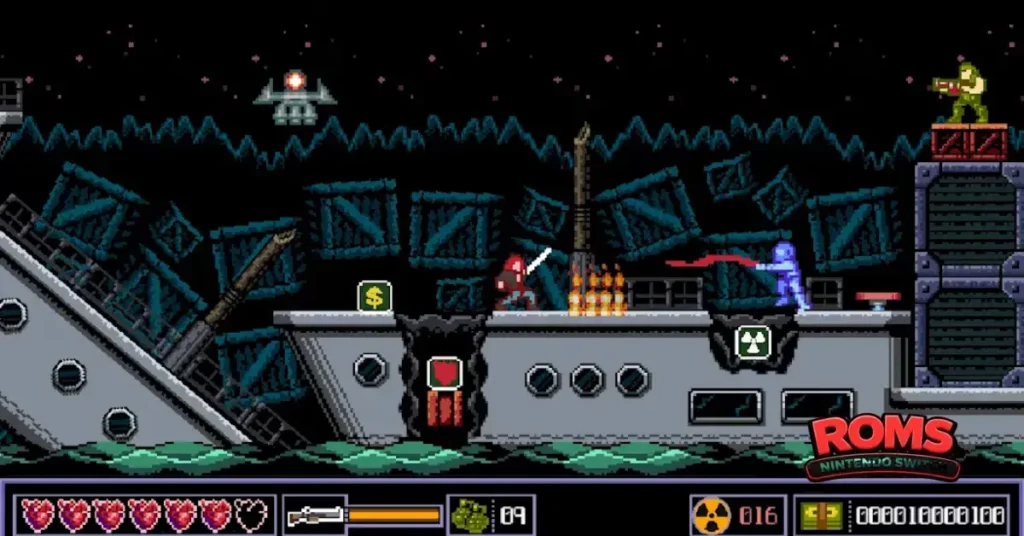
1989 After the War delivers a calm yet emotionally intense gameplay experience centered on exploration and choice. Players guide the protagonist through damaged environments, interact with objects, and engage in conversations that reveal fragments of the past. Gameplay mechanics are intentionally simple, allowing the story and atmosphere to take priority.
Decisions made during interactions influence how events unfold and how characters respond. The pacing is slow and deliberate, encouraging players to absorb details and reflect on the weight of each moment. There is no combat, reinforcing the game’s focus on humanity rather than violence.
Game Overview
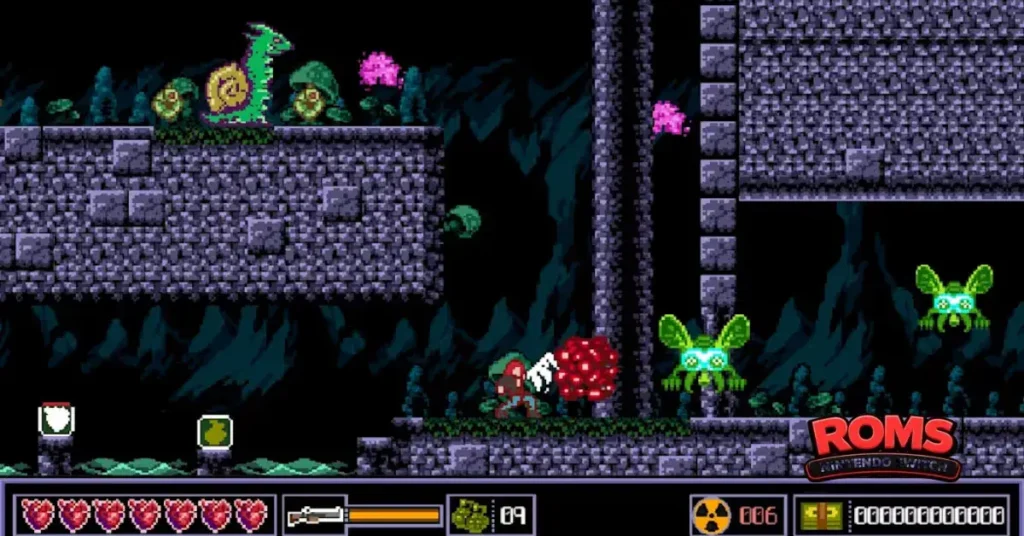
In 1989 After the War, players experience life after a devastating conflict through the eyes of a survivor. The main objective is to navigate a changed world, uncover personal memories, and understand the lasting impact of war.
Storytelling is delivered through environmental cues, written dialogue, and visual symbolism rather than direct exposition. This approach allows players to piece together the narrative organically. The game is designed as a single-player narrative experience that values immersion, emotion, and interpretation.
Key Features of 1989 After the War
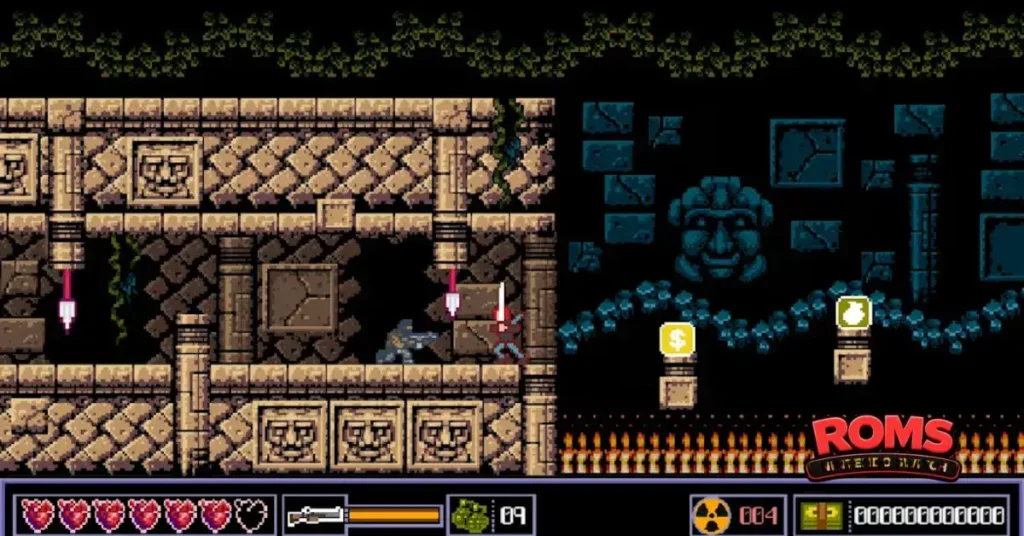
The emotional strength of 1989 After the War lies in its storytelling and atmosphere. Some of its main features include:
Narrative-Driven Adventure:
A deeply personal story focused on the aftermath of war.
Emotionally Mature Themes:
Explores loss, memory, guilt, and survival.
Choice-Based Interactions:
Player decisions influence dialogue and narrative flow.
Atmospheric Exploration:
Carefully designed environments that reflect devastation and hope.
Minimalist Gameplay Design:
Simple mechanics that keep focus on storytelling.
Single-Player Story Focus:
A reflective journey designed for solo play.
These features make the game a meaningful narrative experience rather than a traditional action title.
System Requirements (Nintendo Switch)
| Requirement | Details |
|---|---|
| Platform | Nintendo Switch |
| Game Mode | Single-player |
| Controller Support | Joy-Con Controllers, Pro Controller |
| Display Modes | Handheld, Tabletop, TV Mode |
| Storage | Approximately 2 GB |
The game is lightweight and runs smoothly on Nintendo Switch systems.
Technical Specifications of 1989 After the War
Game Engine: Unity Engine
Genre: Narrative / Adventure / Drama
Perspective: Side-view / Third-person
Game Mode: Single-player
Platform: Nintendo Switch
Input Support: Joy-Con Controllers, Pro Controller
Save System: Automatic saving
Performance Target: Stable performance on Switch
Installation Type: Nintendo Switch NSP
Graphics and Sound
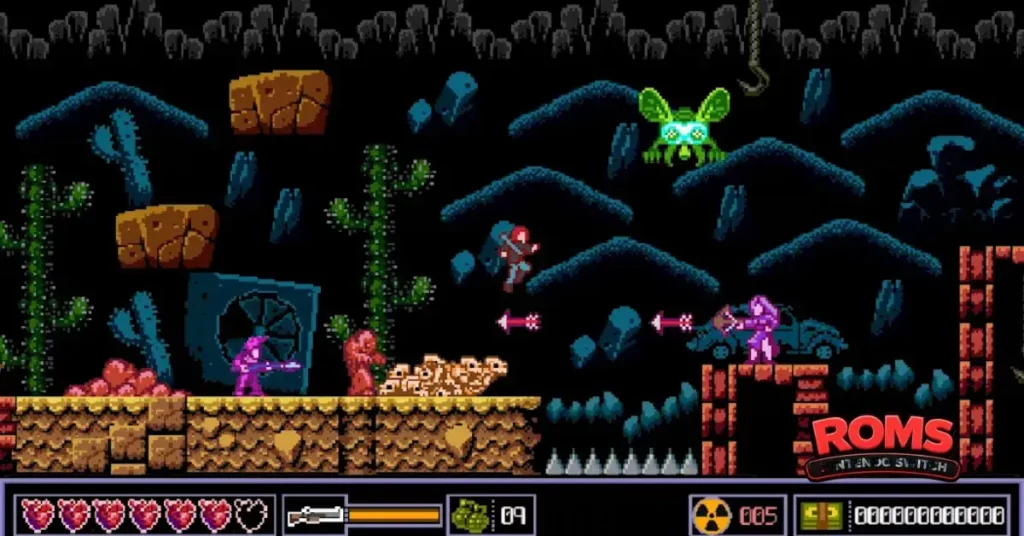
1989 After the War features a hand-crafted visual style with muted colors and detailed environments that convey emotional weight. Visual design focuses on mood rather than spectacle, helping players connect with the world and its story.
Sound design is subtle and impactful. Quiet ambient sounds, soft music, and intentional silence are used to heighten emotional moments. Audio elements reinforce feelings of isolation, reflection, and hope throughout the journey.
Learning and Entertainment Value
The game encourages empathy, reflection, and critical thinking. Players are invited to consider the long-term effects of war on individuals rather than focusing on conflict itself.
As entertainment, 1989 After the War offers a meaningful and memorable experience. It is best suited for players who enjoy thoughtful narratives and emotionally driven games.
Replayability and Reflection
Replayability comes from exploring different dialogue choices and interpretations of events. While the core story remains consistent, subtle variations can provide new emotional insights.
The game’s true value often lies in the reflection it inspires rather than repeated playthroughs, leaving a lasting impression on the player.
How to Download and Install 1989 After the War Switch NSP
Prepare your Nintendo Switch system
Ensure enough free storage space is available
Install the Switch NSP file using a trusted installer
Launch the game from the home menu
Begin the narrative journey
Keeping system firmware updated is recommended for best performance.
Why You Should Play 1989 After the War
1989 After the War is perfect for players who value storytelling, emotional depth, and meaningful themes. Its focus on the human cost of war makes it a unique and impactful experience on Nintendo Switch.
If you enjoy narrative games that encourage reflection and emotional engagement, 1989 After the War is well worth playing.
FAQs
Is 1989 After the War suitable for all ages?
The game addresses mature themes and is best suited for older players.
Does 1989 After the War include combat?
No, the game focuses entirely on story and exploration.
Can 1989 After the War be played offline?
Yes, it fully supports offline play.